
- PV-Station-Solutions
- PV-Panel-Testing-Solutions
- Silicon-Ingot-Testing-Solutions
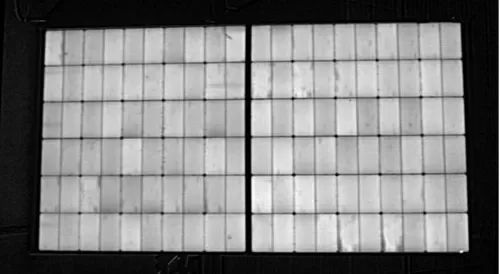
After a hailstorm, PV modules may develop micro-cracks invisible to the naked eye, affecting power generation efficiency. If neglected, the damage can worsen over time, eventually leading to panel failure. EL inspection technology can make these cracks "visible."
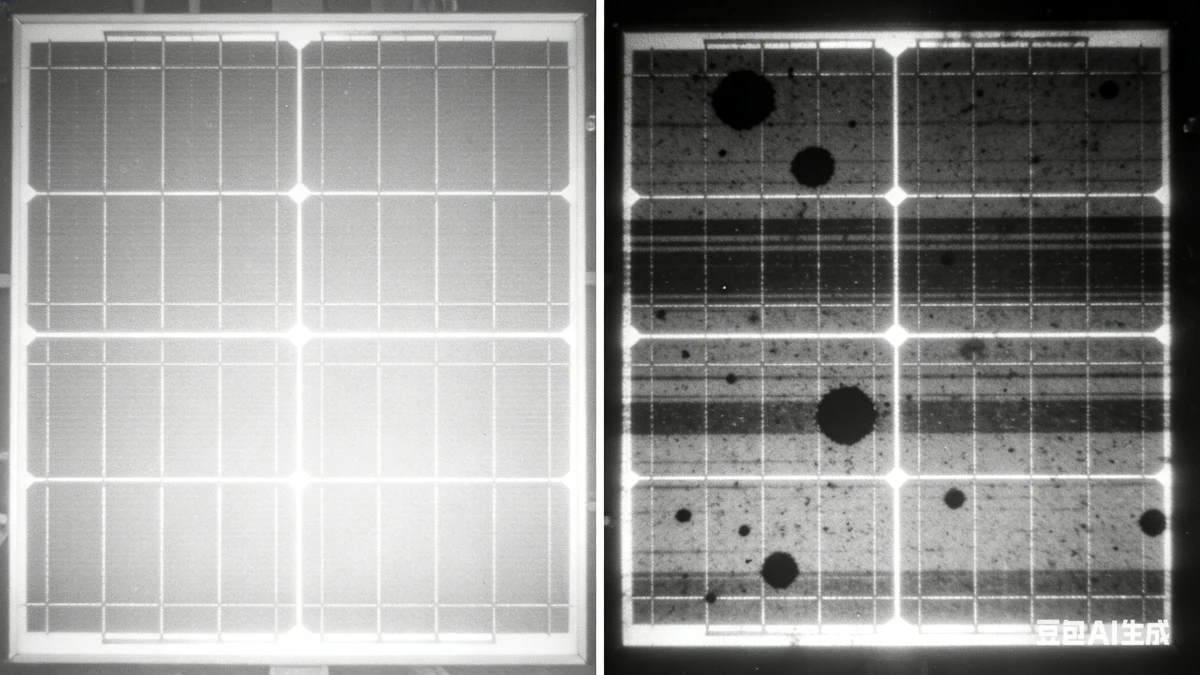
Due to extreme climate change, hailstorms are becoming more frequent and intense worldwide. For PV system operators, this means a continuously increasing risk of module damage. While visible damage like broken glass is easy to identify, many cell cracks and micro-damage remain undetectable by the naked eye — yet these hidden defects can still cause significant power loss. Electroluminescence (EL) inspection is the most accurate method for identifying such hidden defects.
After a hailstorm, damage to PV modules can be classified into three categories:
Undamaged modules: Some modules may escape visible damage, depending on the impact energy of the hail and the mechanical stability of the module.
Hidden cell cracks: Micro-cracks in solar cells that are invisible but interrupt current flow.
Visible damage: Cracks/impact marks on the front glass, frame deformation, or delamination areas.
These defects can lead to long-term power loss, hot spots, module failure, and in extreme cases, even fire.
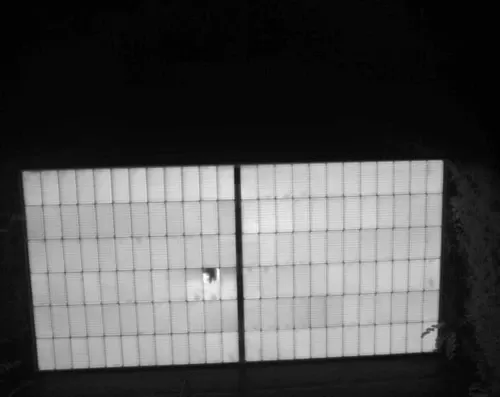
During EL inspection, the PV module is powered, causing each solar cell to emit near-infrared light. Specialized cameras capture this light and visualize it; defective cells or cracks appear as dark lines or areas in the EL image.
With Vision Potential's DEL system, EL images can even be captured under daylight conditions. This technology enables efficient, flexible on-site module inspection — no need to wait for nightfall, which is particularly advantageous in urban environments.
Early detection: Identifies cell cracks and micro-damage before power loss becomes quantifiable.
Objective assessment: Provides reproducible and fully documented results.
Insurance value: EL images serve as evidence for hail damage assessment in property insurance claims.
Visual pre-inspection: Check modules for glass breakage or obvious mechanical damage.
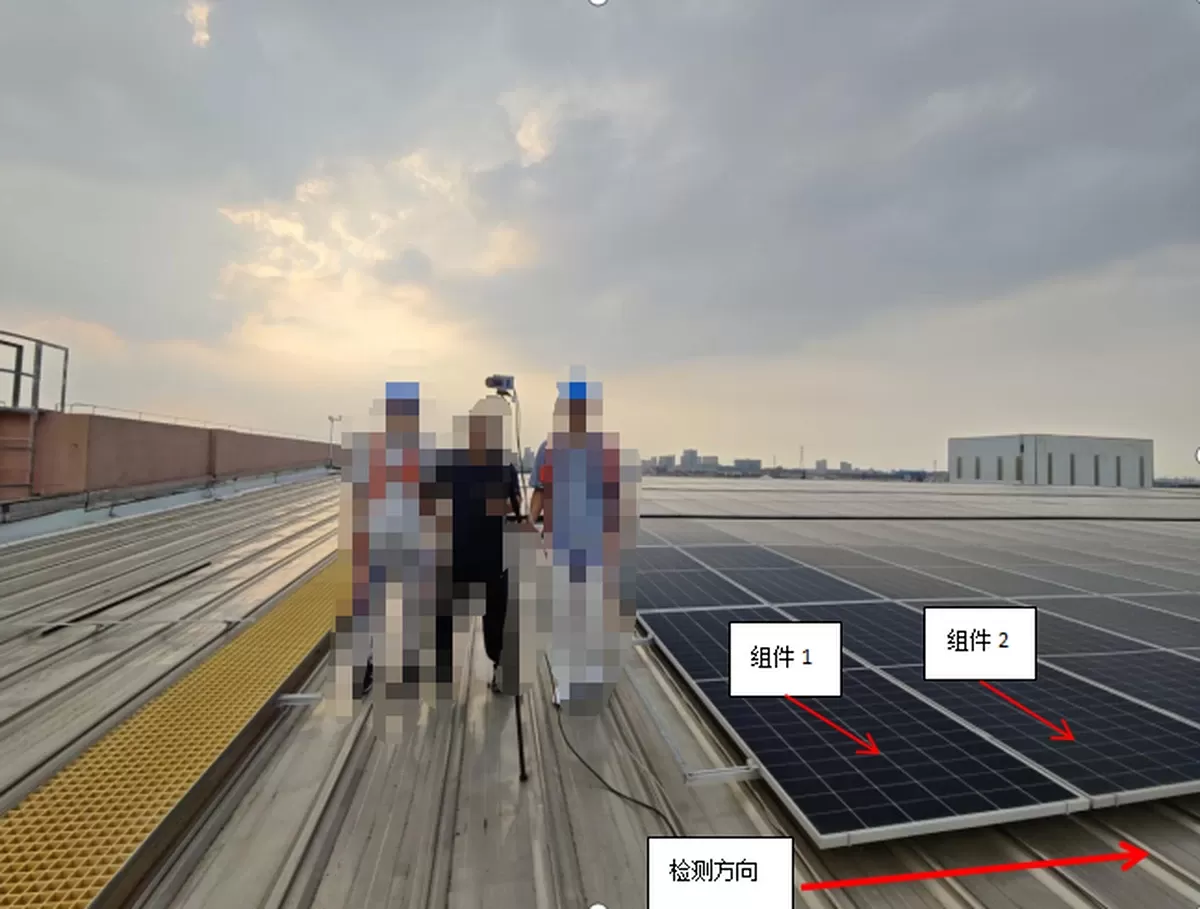
EL inspection: Use the power module from the portable EL system to energize each module and capture EL images from a lift platform or drone.
Recording & analysis: EL images are evaluated and classified by technical specialists.
Reporting: Compile results, classify damage, and provide documentation for insurance claims.
Recommendations: Provide actionable guidance — replacement, repair, or continued operation.
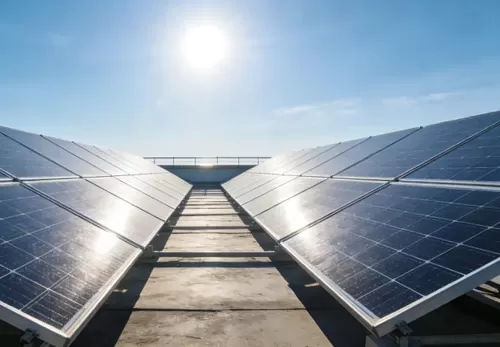
Whether newly installed or after a hailstorm, PV systems should be defect-free — but reality often falls short!
With continuous advancements in measurement technology, EL and PL inspections can now be performed using drones. Daytime flight inspections enable rooftop PV inspection in urban areas with minimal effort. This approach shortens inspection time, increases flexibility, and enhances the customer experience.
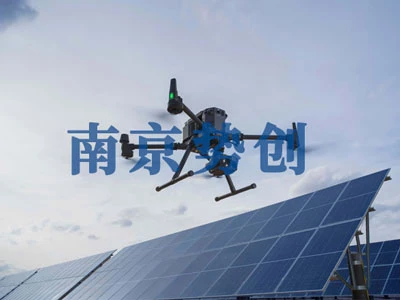
Vision Potential's daylight drone EL inspection system, based on the DJI M400 industrial drone platform, provides better crack detection for PV modules in various terrains after hail damage.
Experience shows: Not all damage is visible to the naked eye.
With EL inspection technology, even the slightest hail damage can be reliably identified and documented. This enables operators, installers, and insurers to make informed decisions, ensuring the long-term performance of PV systems.
Nanjing Vision Potential Intelligent Technology Co., Ltd. — your professional partner for PV inspection, daylight EL systems, and photovoltaic production.
contact
Be the first to know about our new product launches, latest blog posts and more. Nanjing Vision Potential Intelligent Technology Co.,Ltd.Established based on the Nanjing Xiangning Artificial Intelligence Research Institute, we have brought together a number of outstanding industry... Any question or request?
Click below, we’ll be happy to assist. contact